
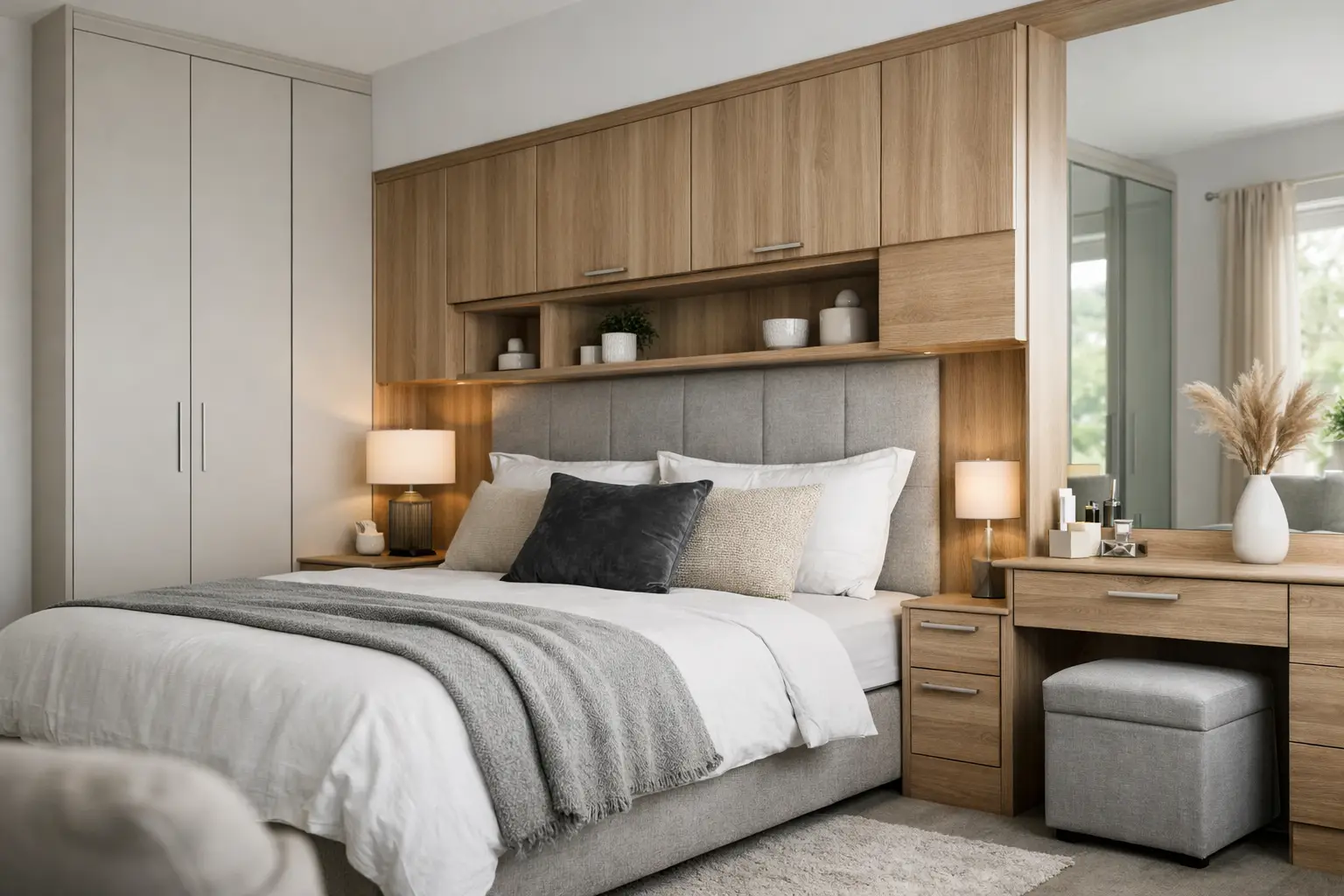
Why Fitted Bedroom Furniture Works So Well
A bedroom rarely feels untidy because of one big problem. More often, it is the awkward alcove that wastes space, the wardrobe that never quite fits, or the gap above a chest of drawers that gathers clutter instead of serving a purpose. That is where fitted bedroom furniture comes into its own. It turns overlooked areas into useful storage and gives the room a calmer, more considered feel.
For many homeowners, the appeal is not just about appearance. It is about making everyday life easier. When furniture is built around the exact shape of the room, there is less wasted space, better organisation and a finish that feels like part of the home rather than an afterthought. In a smaller bedroom, that can make the room feel more open. In a larger one, it can bring order and balance.
What fitted bedroom furniture really changes
Freestanding furniture has its place, but it works best when the room itself is straightforward. Many British homes are not. Period properties come with chimney breasts, sloping ceilings and uneven walls. Newer homes can have compact rooms where every centimetre matters. In both cases, standard-size furniture often leaves dead space at the sides, above or behind each piece.
Fitted bedroom furniture is made to the room rather than squeezed into it. Wardrobes can run wall to wall and floor to ceiling. Cupboards can be shaped around alcoves. Drawers, shelving and hanging space can be planned around how you actually use the bedroom, not how a showroom assumes you live.
That difference sounds simple, but it changes the whole feel of a room. Instead of seeing separate items competing for space, you see one joined-up design. The result is cleaner lines, better flow and a more settled atmosphere.
Fitted bedroom furniture and awkward spaces
The biggest advantage of bespoke joinery is often the one people notice last – it solves the parts of a room that seem impossible to use well.
A sloped ceiling can become a run of low cupboards. An alcove can become a wardrobe with proper depth and internal storage that suits the person using it. A boxed-in corner can be turned into drawers, shelving or a dressing area. Even the space around a bed can work harder, with integrated bedside storage and overhead cabinets if the layout allows.
There is no single right answer because every room is different. A narrow bedroom may benefit most from slimmer wardrobes with carefully planned hanging rails and shelving. A master bedroom may suit a full wall of storage that includes wardrobes, drawers and a central display niche. A loft room may need lower-level storage to keep the space feeling open.
This is where tailored design matters. Good fitted furniture does not force a formula onto the room. It responds to the room’s proportions, light and daily use.
It is not only about storage
Storage is usually the starting point, but fitted bedroom furniture does more than hide belongings. It helps shape the room visually.
A well-made fitted wardrobe can make a wall look straighter and more intentional. Matching finishes across wardrobes, drawers and shelves can bring quiet consistency to the space. Thoughtful detailing, from door style to timber grain, can shift the look from minimal and contemporary to warm and classic.
There is also the tactile side of it. Real wood and carefully crafted finishes bring depth that flat-pack furniture often lacks. You notice it in the feel of a drawer, the weight of a door and the way the materials sit naturally within the room. For homeowners who value character as much as function, that makes a real difference.
Choosing the right design for your room
The best bedroom furniture starts with habits, not just measurements. Before any design takes shape, it helps to think about what you need the room to do each day.
If you have more folded clothes than hanging items, drawers and shelves should take priority. If long garments, coats or suits are part of your wardrobe, rail height becomes important. If the bedroom also serves as a dressing area or occasional workspace, a fitted desk, mirror unit or seating nook may be worth considering.
Style matters too, but it should support the practical side rather than fight it. Handleless doors can look clean and modern, though in some rooms a framed shaker-style front may bring more warmth. Lighter finishes can help a smaller bedroom feel brighter, while darker timber tones can add richness in a well-lit space. Open shelving can be attractive, but only if you are happy to keep it tidy. Otherwise, closed storage tends to keep the room feeling calmer.
The most successful schemes strike a balance. They look elegant because they are useful, not because they ignore how people live.
Materials, finish and longevity
Bedroom furniture is used every day, often without much thought. That is exactly why quality matters.
Well-built fitted furniture should do more than look good on installation day. It should cope with repeated use, changing routines and the general wear that comes with family life. Solid craftsmanship, accurately made components and carefully chosen materials all affect how the furniture performs over time.
Timber and timber-based materials each have their strengths. The right choice depends on the design, the finish and the room itself. Painted furniture can create a crisp, tailored look, while natural wood finishes bring warmth and texture. Reclaimed and sustainable materials can also add character, especially when the aim is to create something distinctive rather than overly uniform.
This is one area where bespoke work has a clear advantage. You are not limited to a narrow set of standard finishes. Instead, the materials can be selected to suit both the room and the homeowner’s taste.
Why fitted furniture often feels worth it
There is a reason fitted pieces tend to feel more settled than off-the-shelf options. They are designed as part of the room rather than placed into it afterwards.
That means better use of height, fewer dust-trapping gaps, and storage that reflects real needs. It can also mean fewer compromises. You are not choosing between a wardrobe that is too deep for the room or one that is too small for your belongings. You are building around what works.
Of course, fitted furniture is not the perfect solution for everyone. If you move house frequently or like to change your layout on a whim, freestanding furniture offers more flexibility. But for homeowners planning to stay put and invest in the quality of their space, fitted joinery often gives a stronger long-term result.
The value of good workmanship
The finish of fitted bedroom furniture depends on more than a clever design. Surveying, measuring, making and installation all need to be handled with care. A lovely drawing can still lead to disappointing furniture if the fit is poor or the practical details are rushed.
This is why skilled joinery matters. Clean lines only look effortless when the work behind them is precise. Doors need to sit properly, drawers need to run smoothly and awkward corners need thoughtful handling. Even the final installation process affects the result. A tidy, conscientious approach makes the experience feel as considered as the furniture itself.
At Sosa Joinery, that craft-led approach is central to the work. The aim is not simply to fill a room with storage, but to create fitted pieces that feel right for the home and satisfying to use every day.
Planning fitted bedroom furniture well
A good project starts with honesty. It helps to be clear about what frustrates you in the current room. Is it lack of hanging space, poor access, visual clutter, or furniture that never fitted properly in the first place? The clearer those problems are, the easier it is to design something better.
It is also worth thinking ahead. Children’s rooms change. Couples have different storage habits. What works now may need to adapt over the next few years. Bespoke furniture can often allow for that, but only if flexibility is considered early on.
And finally, think about the bedroom as a whole. The best fitted furniture does not dominate the room. It supports it. It leaves enough breathing space, respects the light and makes the room easier to live in.
When that balance is right, the result feels wonderfully straightforward. Everything has a place, the room looks more polished, and the furniture seems as though it was always meant to be there. That is the quiet strength of well-made fitted bedroom furniture – it brings order without losing character, and it makes everyday routines feel just that bit better.