
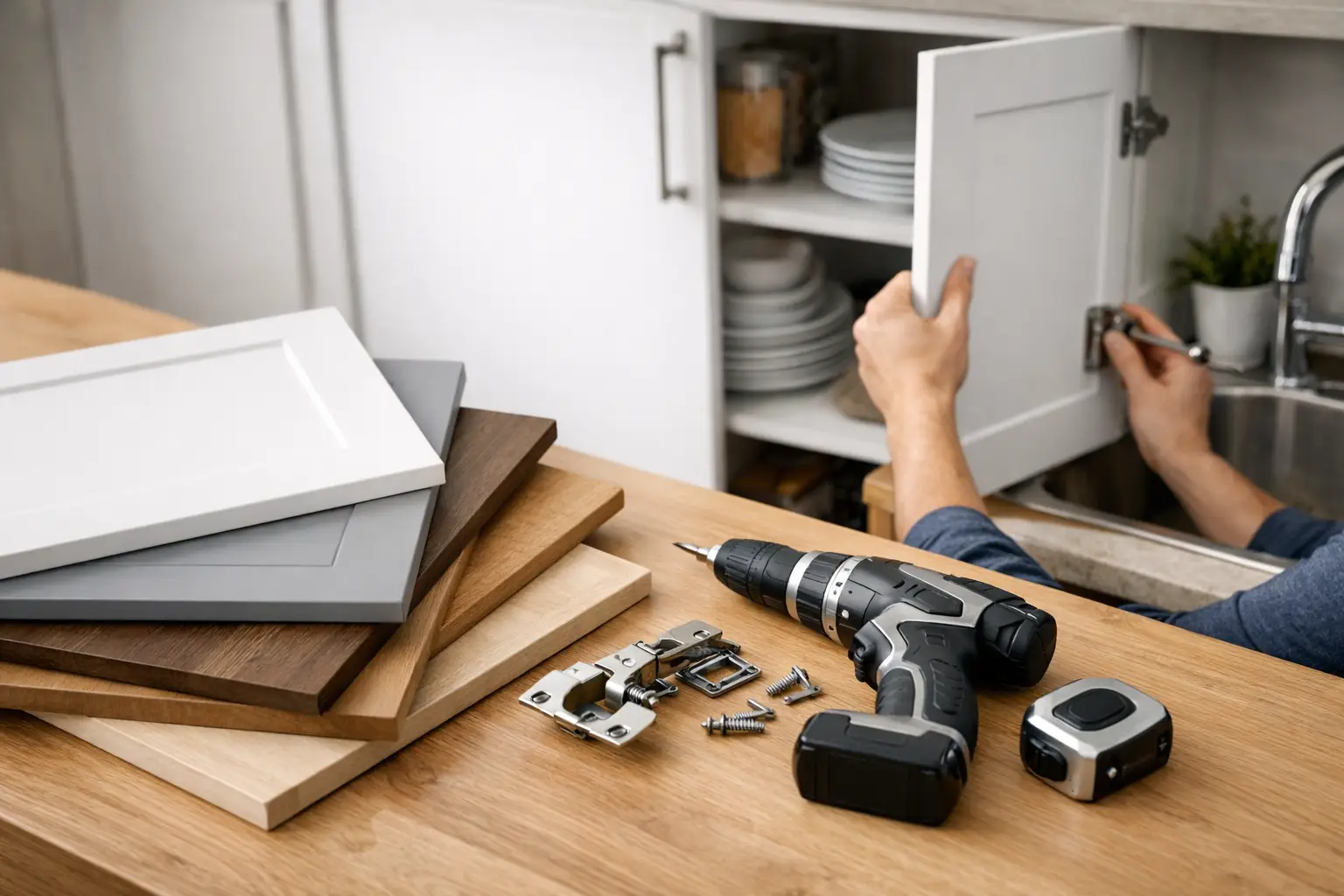
Replacement Kitchen Cupboard Doors Guide
A tired kitchen does not always need ripping out. In many homes, the cabinets themselves are still sound, but the fronts have dated, chipped or simply stopped feeling right for the space. That is where replacement kitchen cupboard doors can make a genuine difference – giving the room a cleaner, fresher look without changing everything behind it.
This approach appeals to homeowners for good reason. It is less disruptive than a full refit, it can preserve well-built cabinet carcasses, and it gives you more freedom to update the style of the room. But it only works well when the existing kitchen is worth keeping and the new doors are made and fitted properly.
When replacement kitchen cupboard doors make sense
The best results usually start with an honest look at the kitchen you already have. If the cabinet units are sturdy, level and structurally sound, replacing the doors can be a smart way to improve the room. You keep the bones of the kitchen and focus attention on the visible surfaces that shape its character.
This tends to suit kitchens where the layout still works, storage is adequate, and the wear is mostly cosmetic. Scratched doors, swollen edges, dated finishes and mismatched repairs all make a kitchen feel older than it is. New cupboard doors, paired with well-chosen handles and careful fitting, can bring the whole space back into proportion.
It is not the right answer for every kitchen. If the cabinets are damaged by damp, badly fitted, sagging or poorly planned from the start, new doors may only disguise bigger problems for a short time. The same applies if you want to change the layout significantly, add new appliances or improve awkward storage. In those cases, a broader joinery solution is often the better long-term choice.
What changes most when you replace the doors
People often think only in terms of colour, but the biggest shift is usually in the feel of the room. Door style affects how light moves across the kitchen, how traditional or contemporary it appears, and whether the space feels calm or busy.
A simple flat front can sharpen a kitchen and make it feel more modern. A shaker-style door brings depth and a more timeless look, particularly in period homes or properties where you want warmth rather than a glossy showroom feel. Timber finishes add character in a way that printed surfaces rarely do, especially when grain and tone are selected with care.
This is also the point where details matter more than most people expect. Edges, proportions, hinge positions and drawer front alignment all affect the finished impression. A kitchen can have attractive doors on paper but still look wrong if the fitting lacks precision. Good craftsmanship is what turns an update into a finish that feels deliberate and well resolved.
Choosing materials for replacement kitchen cupboard doors
Materials should be chosen with daily use in mind, not just initial appearance. Kitchens deal with steam, heat, splashes and constant handling, so the door needs to look good while standing up to ordinary life.
Solid timber offers warmth, individuality and the sort of natural variation many homeowners actively want. It can work beautifully in both classic and contemporary kitchens, and it suits a bespoke approach because it can be shaped, finished and sized with far more care than off-the-shelf options. Reclaimed and sustainably sourced timber can also add depth of character that newer manufactured finishes struggle to replicate.
Painted timber is popular because it balances craftsmanship with flexibility. It gives you a softer, more tailored result than many factory-made doors, and it sits comfortably in homes where the kitchen needs to connect with the rest of the interior rather than look separate from it.
MDF-based painted doors can also be a sensible option in the right setting, particularly where a clean, smooth finish is the priority. The important point is not that one material is always best, but that the choice should reflect how the kitchen is used, the look you want, and the quality of manufacture behind it.
Bespoke versus standard sizes
This is where many kitchen updates either come together neatly or become an awkward compromise. Standard replacement doors can work if your kitchen units follow common sizes and everything has remained square over time. In reality, many homes are not that straightforward.
Older properties often have subtle inconsistencies. Walls move, floors dip, previous installers make adjustments, and cabinet spacing is not always as neat as expected. Bespoke doors solve those issues properly because they are made to fit the kitchen you actually have, not the kitchen an average size chart assumes.
That matters for more than appearance. A correct fit helps doors open cleanly, sit evenly and wear better over time. It also avoids the frustration of visible gaps, rubbing edges and filler pieces that draw attention for the wrong reasons. For homeowners who care about finish, bespoke joinery is not a luxury extra. It is often the reason the result looks right.
The details that pull the whole kitchen together
Replacement doors rarely work in isolation. Handles, hinges, plinths, end panels and cornices all contribute to the final look, even if they are less obvious at first glance. If the new fronts are elegant but the surrounding details are worn or mismatched, the kitchen can still feel unfinished.
Hardware is a good example. A door style may lean classic, pared-back or more architectural, and the handle should support that. The feel in the hand matters too. Kitchens are touched constantly, so practical comfort counts just as much as visual style.
Colour should also be considered in the context of the room, not just the doors alone. Worktops, flooring, wall paint and natural light all influence how a finish reads. A tone that looks crisp in one kitchen can feel cold in another. This is where experienced guidance becomes valuable, particularly if you want the kitchen to feel settled and considered rather than newly patched.
Fitting matters as much as the doors themselves
Well-made doors deserve careful installation. Measuring, hinge placement, alignment and final adjustment all play a part in whether the finished kitchen feels refined. Even a small inconsistency becomes noticeable when repeated across a run of cabinets.
Professional fitting also helps avoid common problems such as doors catching, uneven reveals, poor closing action and misaligned drawer fronts. These are the details that separate a quick cosmetic change from a proper piece of joinery work.
For many homeowners, there is also peace of mind in having the measuring, manufacturing and fitting handled together. It creates accountability from start to finish and reduces the risk of one stage undoing another. That joined-up approach is a big part of why bespoke updates tend to age better.
Is it worth updating a kitchen this way?
If the cabinet structure is sound and the layout still suits your life, yes, it often is. Replacement kitchen cupboard doors can refresh the heart of the home with far less upheaval than starting from scratch. They can also preserve elements of a kitchen that are still doing their job perfectly well.
The value is not only visual. A kitchen that feels well cared for changes how the room is used. People spend longer in it, enjoy it more, and stop noticing the little signs of wear that had gradually become irritating. Done well, the update feels less like a stopgap and more like a thoughtful improvement.
That said, the outcome depends on judgement. The existing units need to be worth keeping. The design choices need to suit the house. And the workmanship needs to be consistent from first measurement to final adjustment. At Sosa Joinery, that is exactly the kind of careful, hands-on work we value – creating pieces that fit properly, look beautiful and earn their place in the home.
If your kitchen feels tired but not beyond saving, new doors may be all it takes to bring it back into balance – with better proportions, better materials and a finish that feels made for your space rather than borrowed from somewhere else.