
12 Built In Bookcase Ideas for Better Storage
Some rooms never feel fully finished until the storage looks like it belongs there. That is why built-in bookcase ideas are so often the turning point in a lounge, study or spare room. A well-made bookcase does more than hold books – it gives shape to a wall, solves awkward gaps and makes the whole space feel calmer, tidier and more considered.
The best results usually come from treating a bookcase as part of the room rather than a piece you add at the end. Ceiling height, skirting boards, chimney breasts, window positions and even how the light moves across the timber all matter. When those details are handled properly, the difference is obvious. The bookcase feels settled, balanced and made for the house rather than squeezed into it.
Built-in bookcase ideas that suit real homes
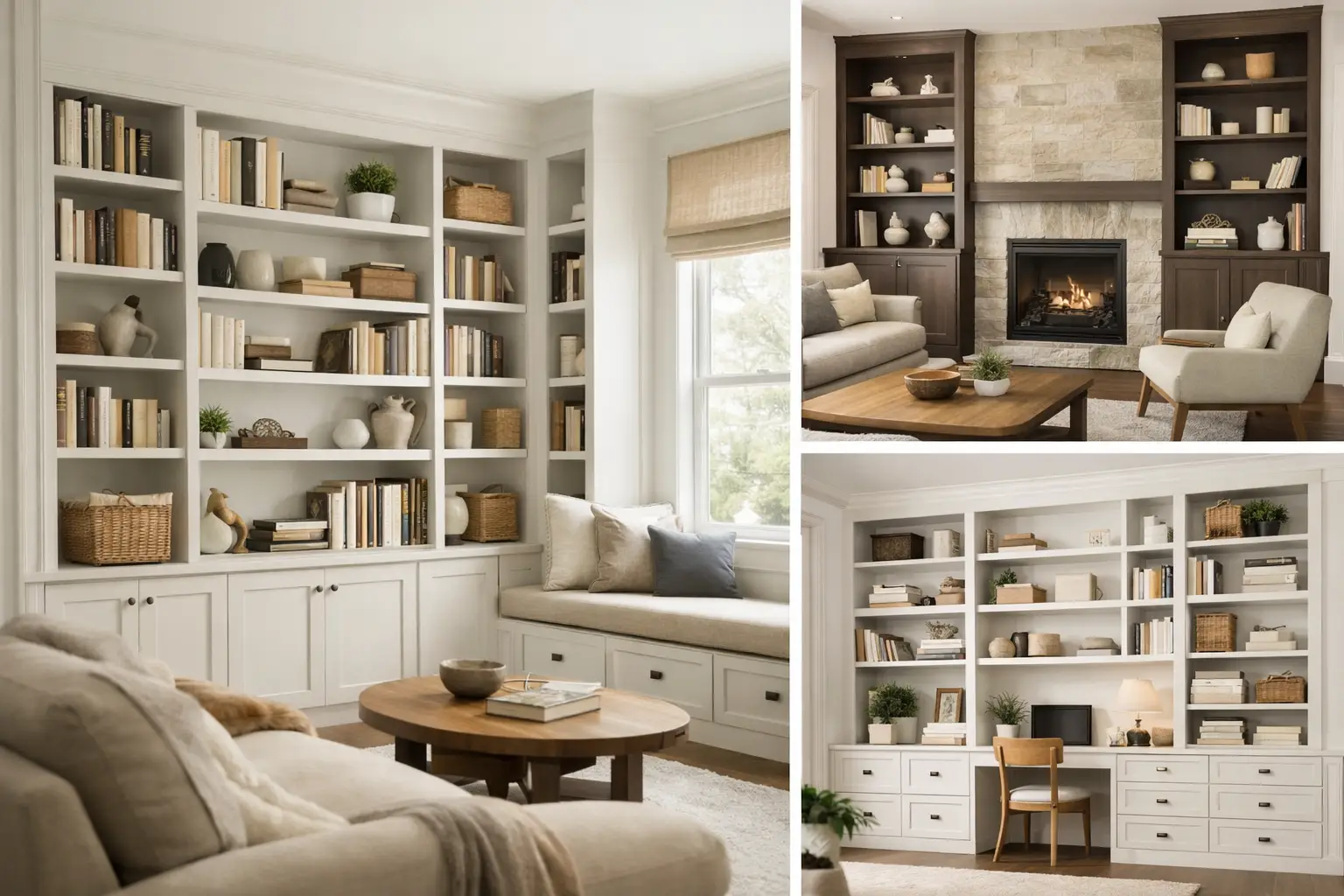
One of the strongest options in British homes is the classic alcove bookcase. Alcoves on either side of a chimney breast are often too narrow for shop-bought furniture, but they are ideal for fitted joinery. Shelves can be set to the exact width and height of the recess, with lower cupboards for hiding cables, toys, paperwork or anything else you would rather keep out of sight. It is practical, but it also brings symmetry to the room.
Full-wall bookcases create a different effect. Instead of framing one part of the room, they become the feature. This works especially well in a study, dining room or large lounge where you want warmth and presence without clutter. A full-height run in painted timber can feel elegant and architectural, while natural wood adds richness and character. The trade-off is that it asks for commitment. A full wall of joinery has real visual weight, so proportions and finish matter.
There is also a strong case for combining open shelving with closed storage. Purely open bookcases can look beautiful in photographs, but in daily life they demand tidiness. Mixing shelves above with cupboards or drawers below gives you the best of both. Favourite books, ceramics and framed pieces stay on display, while less attractive essentials stay tucked away. For family homes, this balance often works better over time.
Window seat bookcases are another smart route, especially in bay windows or unused corners. Shelving around a window adds storage without making the room feel boxed in, and the seat itself becomes a useful place to read, relax or store cushions beneath. It is one of those ideas that feels charming, but it is also hardworking.
Built-in bookcase ideas for awkward spaces
The awkward areas are often where fitted joinery earns its keep. Under-stairs spaces, sloping ceilings, loft rooms and odd recesses rarely suit standard furniture. Bespoke bookcases can follow the line of the room, turning dead space into something useful and attractive.
Under the stairs, for example, open shelving can create a neat library effect, but it depends on what you want to keep there. Books suit the graduated heights well, but if the space will hold a mixture of books, games and household bits, a combination of shelves and cupboard doors tends to look cleaner. In loft conversions, lower shelving built into the eaves can make the room feel wider rather than more cramped.
Corners are another missed opportunity. A corner bookcase does not need to be fussy or old-fashioned. Done well, it can soften a room and make use of wall space that would otherwise sit empty. The key is keeping the design clean. A simple wraparound shelf line usually feels more contemporary than heavy mouldings or overly decorative brackets.
If you are working with a narrow hallway, landing or upstairs study nook, a shallow-depth bookcase can be surprisingly effective. Not every shelf needs to be made for large hardbacks. Slim shelving is perfect for paperbacks, decorative objects or practical baskets, and it keeps walkways feeling open.
Style matters as much as storage
A built-in bookcase should reflect the character of the house, but it should also suit how you want the room to feel now. Period homes can take traditional detailing beautifully, from shaker-style cupboard fronts to subtle cornicing and panelled backboards. That said, there is no rule saying an older home needs a heavily classic look. Many clients prefer a simpler design that still respects the architecture without copying it too literally.
In newer homes, cleaner lines often sit more naturally. Flat-front cupboards, neat shadow gaps and uninterrupted shelf runs can give a fitted bookcase a calm, tailored appearance. Painted finishes are especially popular because they help the joinery blend with the walls or stand out with quiet confidence, depending on the colour choice.
Timber choice changes the feel completely. Painted MDF and hardwood combinations are often practical and refined, particularly where durability matters. Natural oak or other characterful timbers bring texture and warmth, especially in rooms that need softening. Reclaimed wood can add depth and individuality, though it is not right for every scheme. If the rest of the room is quite crisp and minimal, too much rustic texture can feel out of step. It depends on the balance you want.
Designing around how you live
The most successful bookcases are designed around real habits, not an idealised version of them. If you own oversized art books, standard shelf spacing will not do. If you like to restyle shelves often, adjustable shelving may be worth considering. If the bookcase is going into a family room, surfaces need to work harder and finishes should be chosen with everyday wear in mind.
It is also worth deciding early whether the bookcase is mainly for books. Many are not. They end up displaying records, plants, family photographs, ceramics, speakers or a television. That does not make the design worse, but it does affect the layout. A media unit with integrated shelving usually needs cable planning, ventilation and a stronger sense of visual balance so it does not become busy.
Lighting can elevate a fitted bookcase as well. Subtle integrated lighting inside shelves or above display sections adds depth and atmosphere, particularly in lounges and dining spaces. It is a lovely detail when handled with restraint. Too much lighting can make a bookcase feel more like a shop display than part of a home.
When fitted bookcases look expensive for the right reasons
There is a clear difference between a bookcase that simply fills a wall and one that has been properly considered. The expensive-looking details are rarely the flashy ones. They are the aligned shelf lines, the neat scribing against uneven walls, the way cupboard doors sit cleanly, and the finish around skirting, coving and sockets.
That is where bespoke joinery stands apart. Older British homes especially are full of quirks – wonky corners, uneven plaster, out-of-level floors and alcoves that only look symmetrical at first glance. Good fitted furniture works with those quirks rather than pretending they are not there. The result feels natural because it has been made for that exact room.
At Sosa Joinery, that is often where the design starts. Not with a stock unit or a fixed size, but with how the room is used, what needs to be stored and what kind of finish will feel right in the home for years to come.
Choosing the right built-in bookcase ideas for your room
If your priority is hiding clutter, lean towards a design with generous base cupboards and more selective open shelving above. If you want to create a statement wall, full-height shelving with a strong paint finish can transform the room. If the space is small, keep the depth modest and avoid overly bulky details that steal light.
It also helps to think beyond the bookcase itself. A fitted piece sits alongside flooring, wall colour, fireplaces, desks and existing furniture, so the best design usually has a quiet conversation with the rest of the room. That might mean matching tones with other timber features, or it might mean creating contrast so the joinery becomes the focal point.
There is no single best answer, only the version that suits your space and the way you live in it. Some homes call for a grand library feel, others for simple painted shelves that make everyday storage look far more polished than it really is.
The nicest built-in bookcases do not shout for attention every time you enter the room. They just make the space work better, look better and feel more settled – which is exactly what good joinery should do.