
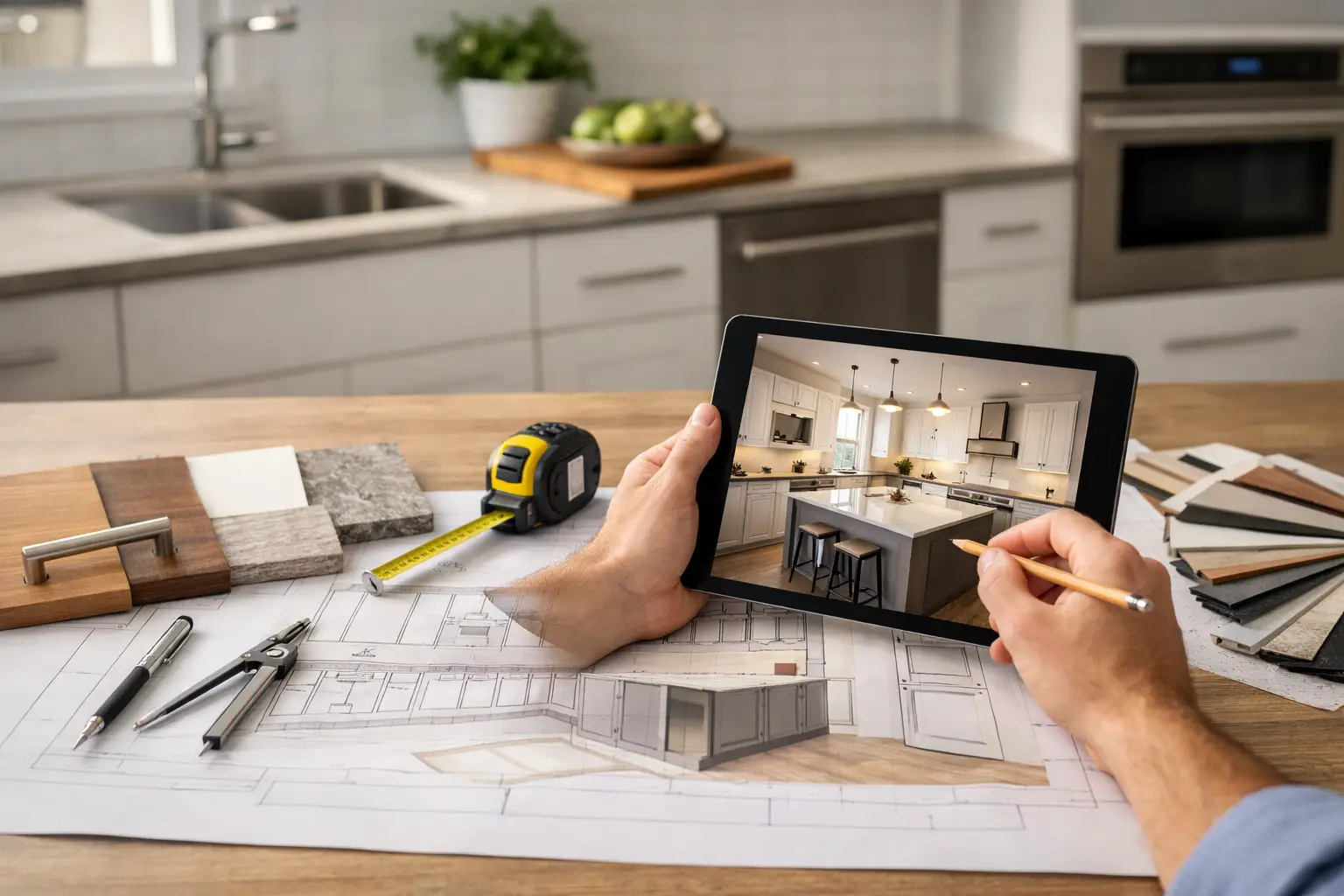
How to Plan Bespoke Kitchen Fitting
A bespoke kitchen can look effortless when it is finished, but the best results are always carefully planned. If you are working out how to plan bespoke kitchen fitting, the real goal is not simply choosing attractive cupboards. It is creating a kitchen that suits the way you live, fits the room properly and stands up to daily use for years.
That means looking beyond door styles and paint colours. A well-planned kitchen needs to handle movement, storage, light, appliances and awkward corners without feeling forced. When the planning is right, the finished room feels calm, practical and beautifully made.
Start with how the kitchen is actually used
Before measurements, samples or drawings, think about your habits. A kitchen used for quick weekday meals needs something different from one that doubles as a family gathering space. Some households need generous pantry storage, while others care more about open worktops, a breakfast perch or integrated laundry.
This early stage matters because bespoke joinery should solve real problems, not just fill a room with fitted units. If you like everything tucked away, that changes the balance between drawers, cupboards and tall storage. If you enjoy cooking properly, worktop depth, prep space and appliance placement become much more important.
Try to picture an ordinary day rather than an idealised one. Where do bags land when you walk in? Do small appliances live out on the counter? Is there always a queue at the bin, the kettle or the fridge? Those small patterns often shape the most successful layouts.
Measure the room properly before planning bespoke kitchen fitting
One of the biggest mistakes in how to plan bespoke kitchen fitting is treating the room as if it is perfectly square. Many British homes have quirks – uneven walls, chimneys, alcoves, old floors and ceilings that wander more than expected. Bespoke work is valuable precisely because it can respond to those details.
Take full wall measurements, but also note ceiling height, window positions, door swings, sockets, plumbing points and any bulkheads or pipe boxing. Measure more than once, and do not assume opposite walls match. A few millimetres can make a real difference when cabinetry is made to fit cleanly.
It is also worth thinking about what should stay visible and what should disappear. Some features deserve to be worked around, while others are better concealed within the cabinetry. A thoughtful plan does not fight the room – it uses skilled fitting to make the space feel resolved.
Choose a layout that supports movement
A good kitchen layout is not about forcing in the maximum number of cabinets. It is about flow. You need enough room to open doors, move past someone at the hob and carry dishes from one area to another without constant friction.
Galley kitchens, L-shapes, U-shapes and island layouts can all work well, but it depends on the room and the household. In a compact space, too much fitted furniture can make the kitchen feel tight and heavy. In a larger room, too little can leave it feeling sparse and underused.
Think carefully about the relationship between the sink, hob and fridge, but do not follow old rules blindly. For some homes, a large prep area beside the sink is more useful than a strict triangle. For others, keeping the oven out of the main traffic route matters more. This is where bespoke planning earns its keep – it lets the design respond to real life rather than a standard template.
Plan storage around the things you own
Storage works best when it is specific. Deep drawers are brilliant for pans and crockery, but not every item belongs in a drawer. Tall larders are useful, though they can dominate a room if placed badly. Open shelving adds warmth, yet it needs commitment because everything on show becomes part of the look.
When considering how to plan bespoke kitchen fitting, go item by item. Think about plates, food storage, baking trays, cleaning supplies, glassware and the awkward things that never seem to sit neatly anywhere. A handmade kitchen should not leave you with filler spaces that look fitted but function poorly.
This is also the stage to address the little frustrations you already know about. Perhaps you want proper bin storage, charging points inside a cupboard, a breakfast station hidden behind doors or cabinetry designed around a beloved freestanding piece. Bespoke joinery is at its best when it handles those practical details with a graceful finish.
Materials matter as much as the design
A kitchen is a hardworking room, so material choices need to do more than look good on installation day. Timber, veneers, painted finishes and work surfaces all age differently. The right choice depends on how much wear the room gets, how much maintenance you are comfortable with and the atmosphere you want to create.
Natural wood brings warmth and depth that mass-produced kitchens often lack. It can soften a modern layout and add character to a period home. Reclaimed and sustainably sourced timber can be especially appealing if you want a kitchen with texture and individuality, though it should always be selected with care for the setting and finish.
Painted cabinetry gives flexibility with colour and can feel crisp or classic depending on the detail. Dark shades add drama, but in smaller kitchens they may need balancing with light worktops or better lighting. Pale tones can make a room feel more open, though they may show marks more readily in busy family spaces. There is no single right answer – only the right balance for the room.
Lighting should be part of the plan, not an afterthought
Even a beautifully made kitchen can disappoint if the lighting is poor. One ceiling fitting in the centre of the room rarely does enough. Kitchens need layers of light for prep, movement and atmosphere.
Task lighting under wall units or shelves can make worktops far more usable. Pendant lighting can help define an island or dining edge, but only if it is positioned carefully. Natural light matters too, especially when choosing timber tones and paint colours, which can shift noticeably through the day.
If your kitchen is part of an open-plan room, lighting becomes even more important. You want the fitted joinery to feel connected to the wider space rather than harshly separated from it. Thoughtful planning helps the room move from practical daytime use to a calmer evening feel without compromise.
Think ahead about appliances and services
Appliances should never feel squeezed in at the last minute. Integrated and freestanding options create very different rhythms in a kitchen, and each has advantages. Integrated appliances can give a cleaner visual line, while some freestanding pieces bring character and are easier to replace later.
What matters is planning them early enough for the cabinetry, electrics and plumbing to support them properly. Oven heights, extractor routes, dishwasher placement and fridge door clearance all need careful thought. A lovely run of handmade cabinets quickly loses its charm if a door cannot open fully or a socket ends up in the wrong place.
This stage often benefits from practical restraint. It is easy to overfill a kitchen with gadgets and extras that look impressive on paper. A better result usually comes from choosing features you will genuinely use and making sure they are fitted beautifully.
How to plan bespoke kitchen fitting with the finish in mind
The final look of a kitchen comes from the small decisions. Door profiles, handles, edge details, grain direction and filler panels all shape whether the room feels elegant or merely expensive. Bespoke work has the advantage of precision, so those details should feel intentional.
Try to think of the kitchen as part of the whole home. A very sleek finish may suit a modern extension, while a softer painted timber style may sit more naturally in a period property. Neither is better. The question is whether the kitchen belongs to the house.
This is also where craftsmanship shows. Clean scribing against uneven walls, balanced proportions, neat reveals and a tidy finish around flooring or ceilings are what make fitted joinery feel truly made for the room. At Sosa Joinery, that care is what turns a good design into a kitchen that feels settled and lasting.
Allow room for fitting and adjustment
Even with excellent planning, fitting day still requires flexibility. Older homes especially can reveal surprises once existing units come out. Floors may dip, plaster may be uneven and service points may need refinement. That does not mean the plan has failed. It simply means skilled fitting is part of the process.
The value of bespoke work is that it can be adjusted with care rather than forced into place. A kitchen should look like it was always meant to be there. That only happens when design, making and installation are treated as one connected piece of work.
If you are planning your own kitchen, give yourself time to make thoughtful choices. The best bespoke kitchens are not rushed. They are shaped around the room, the household and the materials, then fitted with a level of precision that brings everything quietly together.
A well-planned kitchen does more than improve a room – it makes everyday life feel easier, tidier and a good deal more satisfying.