
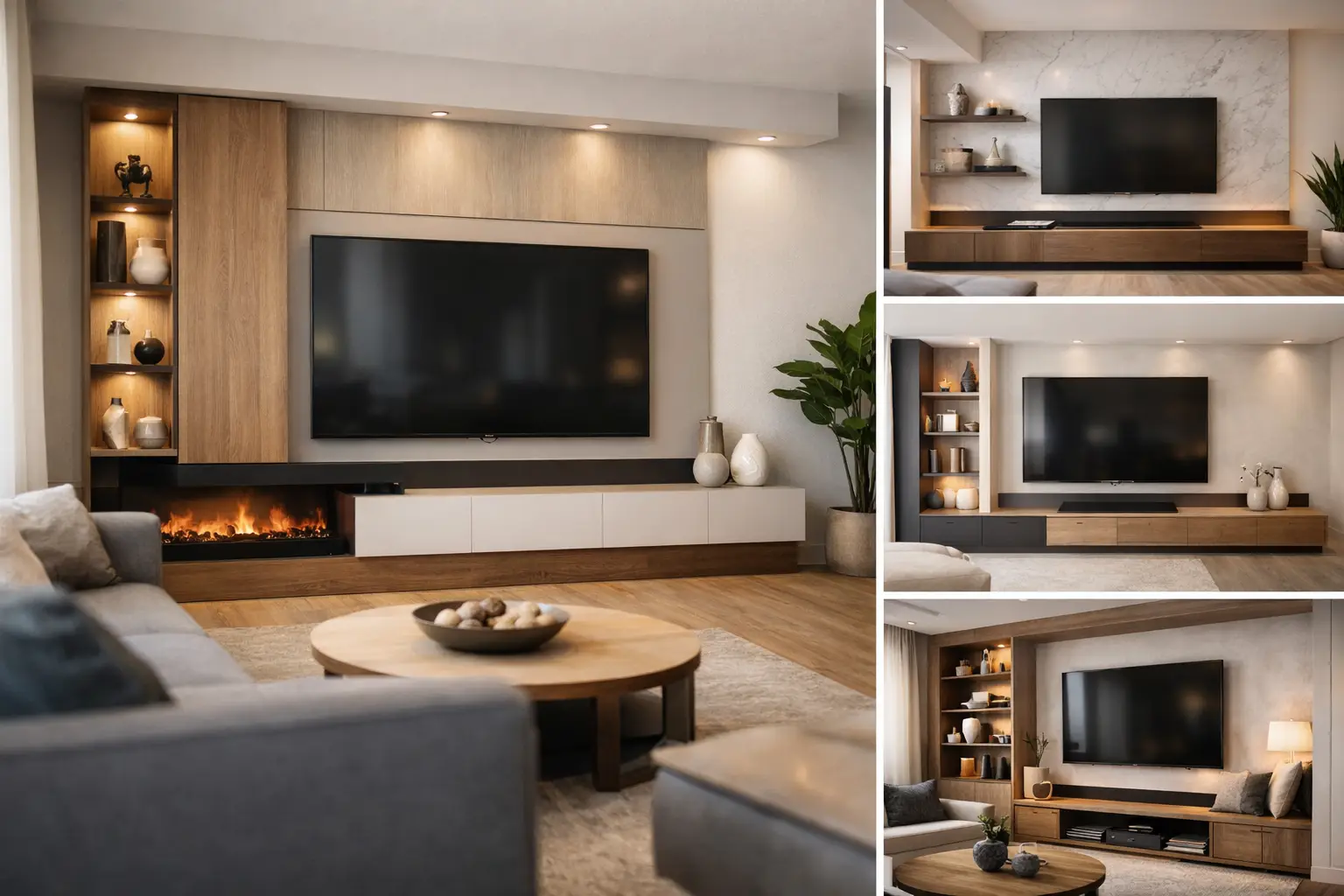
10 Best Bespoke TV Unit Ideas for Your Home
A television wall can make a room feel beautifully finished or quietly frustrating. When the screen is right but the furniture around it is too shallow, too bulky or simply the wrong shape, the whole space feels off. That is why the best bespoke tv unit ideas are rarely just about the television itself. They are about proportion, storage, wiring, materials and creating something that truly belongs in the room.
A well-made bespoke unit does more than hold a screen. It can soften awkward alcoves, hide cables, frame a chimney breast, add storage without clutter and bring warmth through timber and texture. The right design depends on how you use the room, what you need to store and whether you want the unit to disappear quietly into the architecture or become a proper feature.
What makes the best bespoke TV unit ideas work
The strongest designs usually start with the same question – what is the unit meant to solve? For some homes, it is a lack of storage. For others, it is an uneven wall, a small lounge, a large open-plan space or a desire to replace freestanding furniture with something cleaner and more intentional.
Scale matters more than people often expect. A unit that looks lovely in a photograph can feel overbearing in a modest room, while a design that is too slight can leave a large wall looking unfinished. Bespoke joinery earns its place here because it allows every dimension to be considered properly, from screen height and shelf depth to skirting boards, sockets and the way doors open.
Material choice matters too. Painted finishes can keep things bright and understated, especially in period homes or smaller spaces. Natural timber brings warmth and character, particularly where the living room needs a softer, more grounded feel. Reclaimed wood can be especially effective if you want texture and individuality rather than something that feels factory-made.
Best bespoke TV unit ideas for different rooms
1. Wall-to-wall fitted media units
If you want the most integrated look, wall-to-wall joinery is hard to beat. It turns an ordinary television wall into purposeful furniture, often combining low-level cabinets with shelving or full-height cupboards. This suits family rooms particularly well because it can hide everything from game consoles to board games, routers and everyday clutter.
The trade-off is visual weight. In a compact room, a full-width unit needs careful detailing so it does not dominate. Lighter colours, slimmer frames and a balance of open and closed storage usually keep it feeling calm rather than heavy.
2. Alcove units either side of a chimney breast
This is one of the most natural bespoke solutions in British homes. Alcoves are often awkward for off-the-shelf furniture, but they are ideal for fitted cabinets and shelving. The television can sit between them on the chimney breast wall or, depending on the layout, above a lower central unit.
This approach keeps the room symmetrical and makes use of space that often goes underused. It also allows you to combine display shelving with practical storage, which is useful if you want the room to feel lived-in but still tidy.
3. Floating TV units for a lighter look
A floating unit creates clean floor space beneath, which can make a room appear larger and easier to keep clean. It works well in more contemporary interiors and is especially useful where you want a simple, uncluttered line across the wall.
It does, however, need thoughtful planning. The wall structure, cable routes and fixing points all matter. Done properly, it looks effortless. Done badly, it can feel like an afterthought. This is where careful measuring and installation make all the difference.
4. Full-height media walls with mixed storage
For households that need a television area to do several jobs at once, full-height media walls are one of the best bespoke tv unit ideas to consider. They can include cupboards, open shelving, display niches and lower cabinets in one composition, helping the wall feel finished rather than pieced together over time.
This style works particularly well in newer homes where a plain wall needs character. The key is restraint. Too many compartments can feel busy, so a cleaner layout with a few strong lines is often more timeless.
Design choices that change the feel of the room
Open shelving versus closed cupboards
Open shelving can look beautiful, especially when styled with books, ceramics or framed pieces. It gives a unit personality and avoids the flat look of uninterrupted doors. The downside is maintenance. Open shelves show dust, visible wiring and everyday clutter more quickly.
Closed cupboards are more practical for many households. They keep the room looking calm and are especially useful if children use the space or if you have several devices to store. A combination of both usually gives the best balance.
Handleless and minimal, or classic and detailed
A handleless design feels crisp and modern. It suits clean-lined interiors and helps the unit blend into the room rather than shouting for attention. On the other hand, more traditional cabinetry details can add character, especially in period homes where completely flat fronts might look out of place.
There is no single right answer. The best result usually comes from matching the joinery to the architecture of the house, not just to a passing trend.
Painted finishes or natural timber
Painted cabinetry is flexible and easy to integrate with existing walls, trim and built-in furniture. Soft neutrals remain a safe choice, but deeper colours can make a media unit feel rich and grounded, particularly in larger rooms.
Natural timber brings a different quality altogether. Oak, walnut tones or characterful reclaimed boards can introduce depth, grain and warmth that painted units cannot replicate. If the rest of the room is fairly simple, timber can become the element that gives it soul.
Practical details that should never be left until last
The most attractive bespoke unit will still disappoint if the practical details are ignored. Cable management is the obvious one. A smart design should allow wires, plugs and devices to disappear neatly without becoming impossible to access later.
Ventilation is another point people often overlook. Media equipment generates heat, and enclosed cupboards need to be planned accordingly. The same goes for remote controls, speaker placement and internet access. A beautiful cabinet front is only part of the job. It still has to work for real life.
Storage depth matters too. There is no benefit in creating elegant cupboards that are too shallow for the things you need to keep inside. Equally, cabinets that are much deeper than necessary can make a room feel heavier than it needs to.
How to choose the right bespoke idea for your home
Start with the room, not the picture you saved months ago. Look at the wall width, ceiling height, natural light and where people actually sit. Think about what needs hiding, what deserves displaying and whether the unit should be a feature or simply part of the background.
Then consider how long you want the design to last stylistically. Very bold feature walls can look striking, but a calmer design often ages better. If you enjoy changing your décor, a more timeless base with a strong material finish is usually a wiser route than something overly decorative.
It is also worth thinking beyond the television. A bespoke unit can tie together shelving, a reading corner, a fireplace wall or even a work-from-home nook in open-plan spaces. The best designs often feel less like a TV stand and more like part of the architecture.
Why bespoke joinery makes the difference
There is a particular satisfaction in furniture that fits exactly as it should. No filler panels that look accidental, no wasted gaps, no compromise on height or depth. Bespoke joinery allows a unit to respond to the quirks of the home, whether that means uneven walls, awkward alcoves or a very specific vision for the finish.
For homeowners who care about craftsmanship, it also changes the feel of the room. Properly made timber furniture has weight, character and longevity. It feels considered. At Sosa Joinery, that is very much the point – creating pieces that are practical every day but still carry the warmth and detail of handmade work.
The best bespoke tv unit ideas are the ones that solve a problem without looking like a solution. They bring order, improve the room and make daily life simpler, all while adding something genuinely beautiful. If you are planning one, think less about filling a wall and more about shaping the way the room lives around it.