
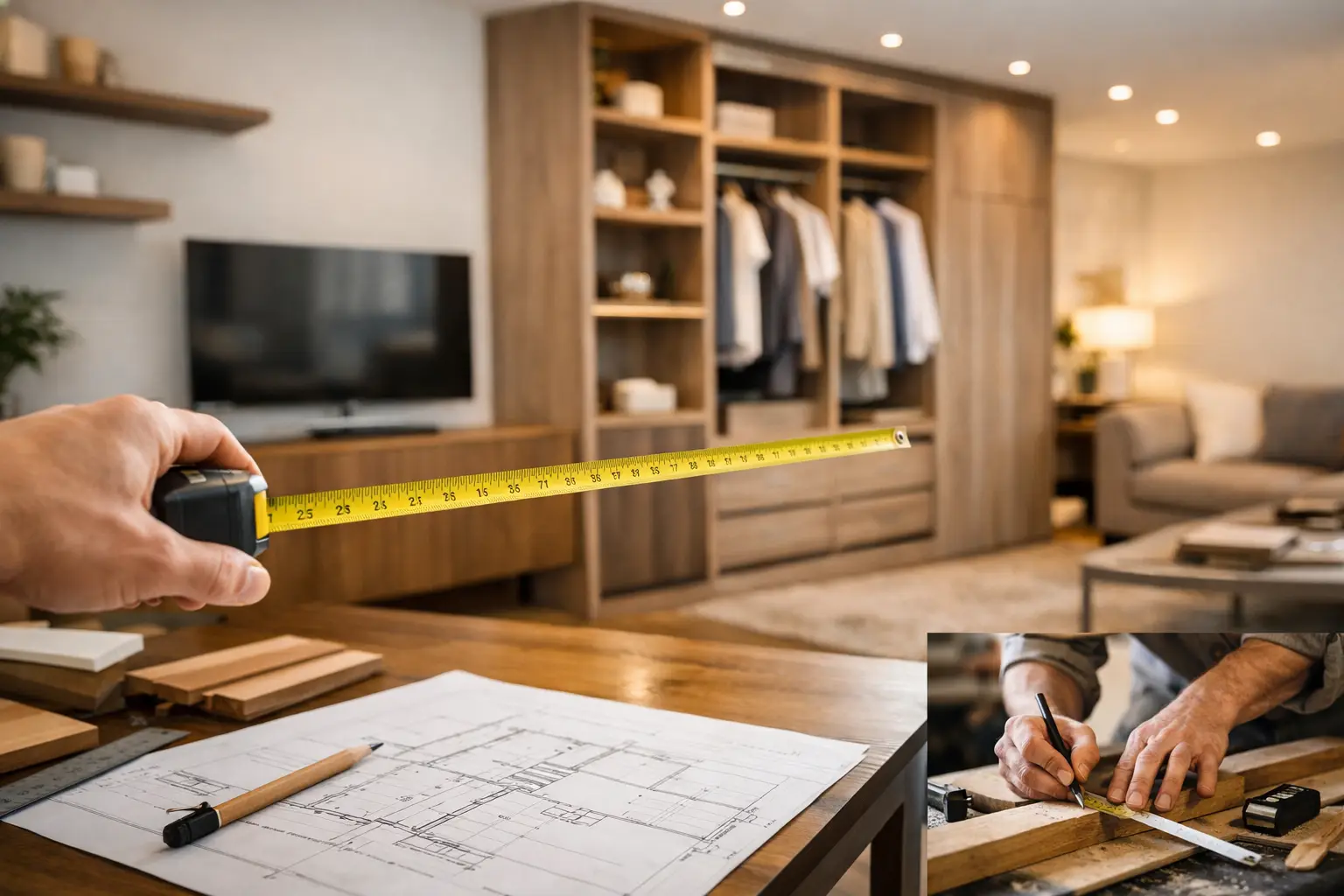
Made to Measure Furniture Guide for Homes
Most homes have at least one awkward spot that never works properly – the alcove that wastes space, the under-stairs corner that becomes a dumping ground, or the bedroom where freestanding wardrobes never quite fit. This made to measure furniture guide is for homeowners who want those spaces to work harder and look better, without settling for something that almost fits.
Bespoke furniture is not simply about having something different. It is about getting the proportions right, using materials with character, and creating pieces that feel as though they belong in the room. When done well, made to measure joinery brings order, adds warmth and gives a home a more considered finish.
What made to measure furniture really means
Made to measure furniture is designed around your room, your needs and the way you live. Rather than choosing from fixed sizes, the piece is built to suit exact dimensions and practical requirements. That might mean a fitted wardrobe following the line of a sloping ceiling, a media unit built neatly into an alcove, or a desk designed to make proper use of a spare corner.
The biggest difference is precision. Off-the-shelf furniture is made to suit the average room, but many British homes are anything but average. Period properties, new-build quirks, uneven walls and tight layouts all call for a more thoughtful approach. Bespoke joinery works with those details rather than fighting against them.
There is also a difference in feel. A custom-built piece tends to look calmer and more resolved because every line, depth and finish has been chosen with the room in mind. It can be understated or full of character, but it rarely looks accidental.
A made to measure furniture guide to choosing the right rooms
Not every room needs fitted joinery, and not every project needs to be elaborate. The best results usually come from solving a clear problem or improving a space you use every day.
Bedrooms are a common starting point because storage matters and wasted centimetres add up quickly. Fitted wardrobes can make use of alcoves, chimney breasts and loft angles in a way freestanding furniture simply cannot. Living rooms are another strong candidate, especially where alcoves sit either side of a fireplace or where a television and cables need a more elegant home.
Kitchens, utility areas and home offices also benefit from a tailored approach. In these spaces, function is everything. Shelving heights, cupboard depths and work surfaces need to suit the people using them. A made to measure solution can make a compact room feel easier to live with, not just nicer to look at.
It depends, of course, on what is frustrating you. If the main issue is visual clutter, smart built-in storage may be the answer. If the problem is layout, a custom piece can help define how the room works. The aim is not to fill every wall with joinery, but to improve the way the home feels day to day.
Start with the problem, not the style
One of the best ways to approach a bespoke furniture project is to begin with practical questions. What needs to be stored? What gets used daily? What currently ends up on show because there is nowhere sensible to put it? Once those answers are clear, the design can become far more refined.
Style still matters, but function should lead. A beautiful cabinet that is too shallow, too deep or awkward to use will soon become a frustration. Equally, a purely practical piece can feel heavy-handed if it ignores the character of the room.
Good joinery brings both together. It should earn its place by being useful, then justify itself again by being beautifully made. That balance is often what makes custom furniture feel like a proper upgrade rather than just another purchase.
Materials, finish and why they matter
Timber changes the mood of a piece more than many people expect. A painted finish can make fitted furniture feel crisp and architectural, especially in bedrooms, alcoves and hallways. Natural wood brings warmth, grain and texture, which can be ideal for shelving, desks, statement cabinets and handcrafted details.
There is no single right choice here. A painted wardrobe may suit a calm, bright bedroom, while a rich timber media unit can add depth to a living area. Reclaimed and sustainable materials can also bring character that mass-produced boards often lack. Small natural variations, when used thoughtfully, give a piece life.
Finish matters for practical reasons as well. Homes with children, pets or heavy daily use may need surfaces that are easier to maintain. A delicate look is not always the most sensible choice for a busy household. This is where a good joiner helps guide the decision, balancing appearance with durability.
What to expect from the process
A proper bespoke process should feel collaborative, not confusing. It usually begins with a conversation about the space, the problem you want to solve and the finish you have in mind. Measurements follow, along with discussion around layout, materials and design details.
This stage is more important than many people realise. Care taken here prevents disappointment later. It is where proportions are tested, storage is planned and practical details are resolved before any manufacturing begins. If a drawer needs to clear a radiator, or shelving has to suit specific items, that should be built into the design from the start.
Once the design is agreed, the furniture is made to suit those exact requirements and then fitted in the home. This approach tends to produce a cleaner, more polished result because measuring, making and installing all follow the same vision. It also means less compromise, which is often the whole reason for going bespoke in the first place.
The trade-offs worth knowing
This made to measure furniture guide would be incomplete without a realistic point: bespoke is not the right route for every situation. If you need a very quick fix for a temporary room, standard furniture may do the job perfectly well. If you are likely to move soon and want pieces to travel from house to house, fitted joinery may be less suitable than freestanding furniture.
There is also the question of flexibility. Built-in furniture is designed for a specific spot, which is exactly its strength, but it does mean the room becomes more defined. For many homeowners that is a benefit, because the space finally works. For others, particularly in multi-use rooms, a little adaptability may still be important.
That said, where there is an awkward layout, a storage shortfall or a desire for a more finished interior, made to measure furniture often proves its value over time. It makes use of space that would otherwise be lost and gives the room a fitted, thoughtful quality that is difficult to recreate with standard pieces.
How to get the best result from bespoke joinery
The strongest projects usually come from clear communication. It helps to know what you want the piece to do, how much storage you need and what sort of look suits your home. Reference images can be useful, but so can simple honesty about what you dislike in your current setup.
It is also worth thinking about the room as a whole. A fitted bookcase does not sit in isolation. It affects how the wall feels, how light moves through the space and how other furniture sits around it. The best made to measure work feels connected to the house rather than dropped into it.
Finally, look for craftsmanship, care and a service that respects your home. Good joinery is not only about clean lines and accurate fitting. It is also about thoughtful planning, tidy installation and the confidence that the finished piece has been built with pride. That is where artisan work stands apart.
At its best, made to measure furniture does something very simple. It removes the little daily irritations caused by poor fit and wasted space, then replaces them with something useful, well-proportioned and genuinely lovely to live with. If a room has never felt quite right, that may be the change worth making.